

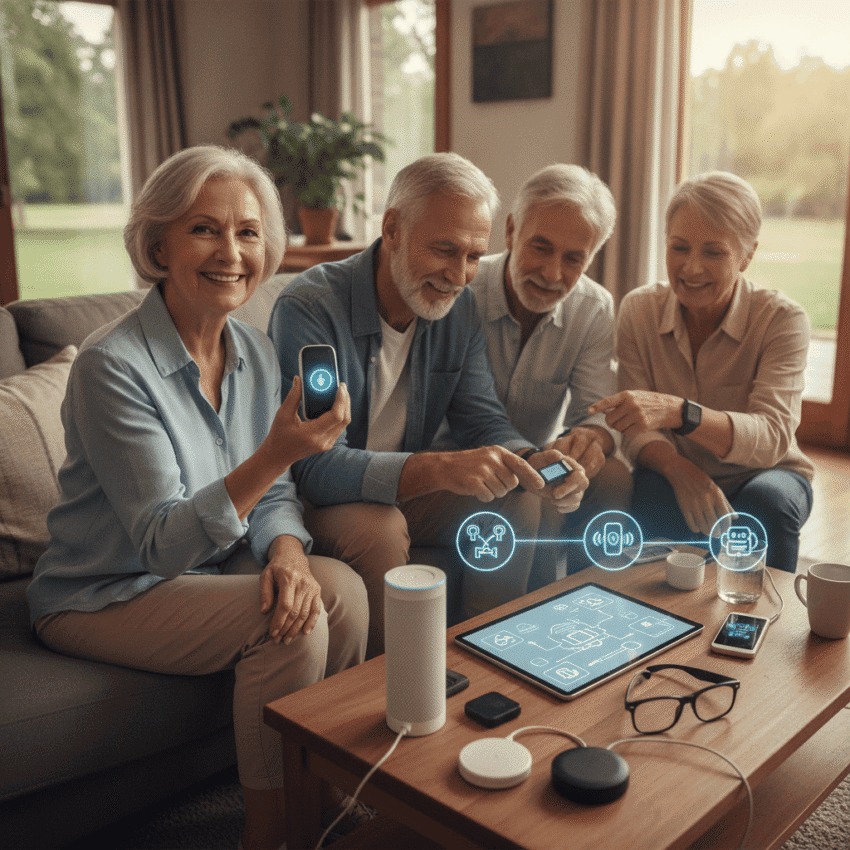
As someone deeply committed to supporting individuals in all stages of life I have often considered the unique needs of our senior population. Maintaining independence and safety becomes a paramount concern for older adults and their families. It is a natural desire to age in place in the comfort of one’s own home for as long as possible.
I understand the worries that can come with this choice. Unexpected falls medical emergencies or feeling isolated can quickly turn a peaceful home into a place of anxiety. This is where modern advancements offer a bridge of reassurance.
I truly believe that empowering seniors with emergency tech solutions is not just about installing devices. It is about fostering peace of mind and preserving dignity. Technology can provide a vital safety net allowing seniors to live more securely and confidently.
Understanding the Landscape of Senior Safety Challenges
When I think about the challenges seniors face I see a few key areas that stand out. These are not small issues. They are critical to daily well-being and long-term independence. Many older adults live alone or are alone for significant parts of the day. This increases the risk that an emergency might go unnoticed for too long.
Falls are a common and serious concern. They can lead to severe injuries and a decline in overall health. Sudden medical events like a stroke or heart attack also require immediate attention. Without help nearby these situations can become life-threatening very quickly. I have seen firsthand how a lack of timely intervention can change lives.
Common Risks Faced by Older Adults
Beyond physical health issues older adults sometimes deal with cognitive changes. They might forget to take medication or become disoriented. This adds another layer of complexity to their safety needs. They may also be more vulnerable to scams or other forms of exploitation. These factors mean that simple solutions are often not enough.
Environmental hazards in the home can also be a risk. Things like poor lighting loose rugs or hard-to-reach items can all contribute to falls. Ensuring a safe living space is a foundational step in senior care. Technology helps address many of these concerns by providing proactive monitoring and reactive support.
The Desire for Independent Living
I know that most seniors cherish their independence. They want to make their own choices and live life on their own terms. It is a deeply human desire. This wish for autonomy is a powerful motivator for both seniors and their families when seeking solutions.
Empowering seniors with emergency tech solutions helps meet this desire. It does not replace human care. It augments it. This technology provides a layer of support that allows seniors to feel safe without feeling overly supervised. It is about finding a balance between freedom and security. That balance is key to a high quality of life for our older population.
Essential Emergency Tech for Seniors
I have spent time researching and understanding the different types of technology available for senior safety. The options have expanded so much in recent years. What used to be simple alert buttons are now sophisticated systems. They offer a range of features designed to protect older adults in various situations.
These tools are designed to be user-friendly. This is important because complex tech can be frustrating for anyone. We want solutions that integrate smoothly into daily life. They should offer help without adding stress.
Wearable Devices and Medical Alert Systems
Medical alert systems are probably the most well-known emergency tech for seniors. These often involve a wearable button. When pressed it connects the senior to an emergency response center. Many modern versions include automatic fall detection. This is a game-changer because falls can make it impossible to press a button.
Some of these devices are worn on the wrist like a watch. Others are pendants. They can also include GPS tracking. This is very helpful for seniors who spend time outside their homes. It ensures they can be located in an emergency. These systems give real-time information to caregivers and emergency services. This saves precious minutes during a crisis.
Smart Home Sensors and Monitoring
Smart home technology offers another powerful layer of protection. These systems use sensors placed throughout the home. They can detect unusual activity or potential dangers. For example a sensor could detect if a stove burner was left on. It could also alert if a door was left open at night. This provides silent but constant monitoring.
Motion sensors can learn a senior’s normal routine. They can send an alert if there is no movement for an extended period. This might signal a fall or other incapacitating event. Smart smoke detectors and carbon monoxide detectors can link to a central system. This sends alerts to family members or emergency services if danger is detected. These solutions offer unobtrusive safety measures. They respect privacy while providing essential oversight.
How Technology Supports Rapid Response
When an emergency happens every second counts. That is why the speed and efficiency of modern senior safety tech are so important. I have learned that the best systems do not just detect a problem. They also make sure help arrives quickly. This is critical for preventing worse outcomes.
The beauty of these technologies lies in their ability to streamline the response process. They remove guesswork and delays. This means faster assistance for those who need it most.
Instant Communication During Emergencies
One of the most vital features of emergency tech for seniors is instant communication. Many medical alert devices have two-way communication built right in. When a senior activates their device they can speak directly with a trained operator. This operator can assess the situation and dispatch the right help. This might be an ambulance a family member or a neighbor.
Some systems also allow family members to set up communication chains. If an alert is triggered a text message or call goes out to a list of contacts. This ensures that someone is always aware and can respond. This immediate connection provides reassurance. It makes sure that seniors are never truly alone when facing a crisis. It bridges distances effectively.
Location Tracking and GPS Capabilities
For seniors who are active or who might wander location tracking technology is incredibly beneficial. Many personal emergency response systems or smartwatches now come with integrated GPS. This means I can know my loved one’s location if they activate an alert or if they go outside a pre-set safe zone.
This feature is a godsend for families of seniors with memory impairment. It reduces anxiety about them getting lost. Emergency responders can pinpoint their exact location quickly. This speeds up help in cases where the senior is disoriented or unable to communicate their whereabouts. It is a powerful tool for safety and peace of mind.
I see the clear advantages of these systems. They offer robust support for seniors. We can rely on them to connect our loved ones to help. This helps us ensure they remain safe and cared for. These tools are truly about empowering seniors with emergency tech solutions.
Beyond Emergencies Enhancing Daily Life
I often find that emergency tech does more than just respond to crises. It actually enriches the daily lives of seniors in many ways. It is about creating a safer environment. It is also about fostering a sense of connection and well-being. This technology supports seniors holistically.
The impact reaches far beyond just calling for help. It helps maintain a healthy and engaged lifestyle. This contributes to overall happiness and independence.
Promoting Health and Wellness with Tech
Many modern senior safety tech devices have features that promote general health. Wearable devices can monitor heart rate sleep patterns and activity levels. This data can be shared with family members or healthcare providers. This helps everyone stay informed about the senior’s health trends. Early detection of issues is a significant benefit.
Some smart home devices can remind seniors to take medication. They can also prompt them to drink water or move around. These gentle nudges help maintain healthy routines. This kind of proactive care reduces the likelihood of emergencies. It supports a better quality of life. This really is a step forward in how we care for our older population.
Bridging Distances with Communication Tools
Technology also plays a crucial role in combating social isolation. This is a common issue for many seniors. Smart displays and voice assistants make video calls simple and accessible. I can easily connect with my parents or grandparents for a quick chat. This fosters regular contact and reduces feelings of loneliness.
These devices allow seniors to stay connected with friends and family. They can also join online communities or classes. This keeps their minds active and spirits high. The ability to communicate effortlessly helps maintain important social bonds. It adds comfort to their daily routines.
The goal is not just about avoiding emergencies. It is about living a full and connected life. Technology helps achieve this balance for seniors. It enhances their quality of life every day. This creates opportunities for continued growth and engagement.
Choosing the Right Solutions for Your Loved Ones
I know that selecting the right emergency tech for a senior loved one can feel overwhelming. There are so many options available today. Each person’s needs are different. So a one-size-fits-all approach rarely works. My experience has taught me that careful consideration and open conversation are key.
We need to think about more than just the features. We also need to think about how well the technology fits into their everyday life. It must be something they feel comfortable using.
Assessing Individual Needs and Preferences
Start by talking with the senior themselves. What are their biggest concerns? What makes them feel unsafe? Do they spend a lot of time alone or are they often out and about? These questions help narrow down the options. For example a very active senior might benefit from a mobile GPS-enabled device. Someone less mobile might need more home-based sensors.
Consider their comfort level with technology. Some seniors are tech-savvy and enjoy new gadgets. Others prefer very simple easy-to-use interfaces. We also need to factor in any specific health conditions. A senior prone to falls will need automatic fall detection. Someone with hearing loss might need visual alerts. Tailoring the solution is essential for success.
Considering Ease of Use and Reliability
The best technology is useless if it is not used. That is why ease of use is a top priority. Look for devices with large buttons clear instructions and simple interfaces. Voice-activated options can be great for those with dexterity issues. Testing the device together before purchase can highlight any difficulties.
Reliability is another non-negotiable factor. Emergency tech needs to work every single time. Check reviews and look for companies with a strong reputation for customer support. Understand battery life and how often devices need charging. Consider if the system is monitored 24/7. These details ensure that the chosen solution provides consistent dependable protection.
It is important to remember that empowering seniors with emergency tech solutions is an ongoing process. Needs can change over time. Regular check-ins and adjustments to their tech setup will ensure they always have the best support. This thoughtful approach helps seniors embrace technology as a tool for a safer life.
The Future of Senior Tech and Independence
I feel very optimistic about the future of technology for seniors. The pace of innovation means that even more sophisticated and integrated solutions are on the horizon. We are moving towards systems that are not just reactive but truly proactive. This allows for earlier intervention and a higher quality of life. We are already seeing incredible advances in modern senior safety tech.
Imagine smart homes that can predict a senior’s needs based on their habits. This could mean adjusting lighting to prevent falls or ordering groceries when supplies are low. AI-powered assistants will become even more personalized. They will offer companionship and cognitive support. The goal is to create environments that adapt to the senior rather than the other way around. This pushes the boundaries of independent living.
A Safer Tomorrow for Our Seniors
I have discussed many ways that technology can greatly enhance the safety and independence of seniors. We started by looking at the important challenges older adults face. These include the risk of falls and the desire for continued autonomy. Then we explored a range of essential emergency tech solutions. These solutions go from wearable medical alert systems to smart home sensors. These tools are designed to provide rapid response and instant communication during critical moments.
But this conversation goes beyond just emergencies. We saw how technology supports overall health and wellness. It also helps seniors stay connected with loved ones and their communities. Choosing the right tech means carefully assessing individual needs and prioritizing ease of use along with reliability. I believe these advancements will continue to evolve. They will offer even more innovative ways to empower seniors. This will help them live securely and vibrantly.
I encourage everyone to explore these options for themselves or their family members. Let us embrace these tools as a way to support our seniors. We can give them the independence and peace of mind they deserve. Start a conversation today about how technology can help create a safer tomorrow.